
Gallbladder removal (Cholecystectomy) at Wessex Hospital
- Overview
Your gallbladder plays an important role in digestion, but gallstones can block its ducts and cause severe pain, inflammation and recurring attacks. At Nuffield Health Wessex Hospital, our expert surgeons provide gallbladder removal surgery to relieve symptoms, prevent complications and help you return to everyday life with confidence.
What is gallbladder removal surgery?
Gallbladder removal surgery, also known as a cholecystectomy, removes the gallbladder when it becomes painful or diseased, usually due to gallstones. The gallbladder isn’t an essential organ and it can be safely removed when necessary and most people live completely normally without one.
At Nuffield Health Wessex Hospital, most gallbladder removals are performed using minimally invasive (keyhole) techniques such as laparoscopy and robotic-assisted surgery. Both of these techniques use several small incisions and a camera, resulting in less pain, smaller scars, and faster recovery.
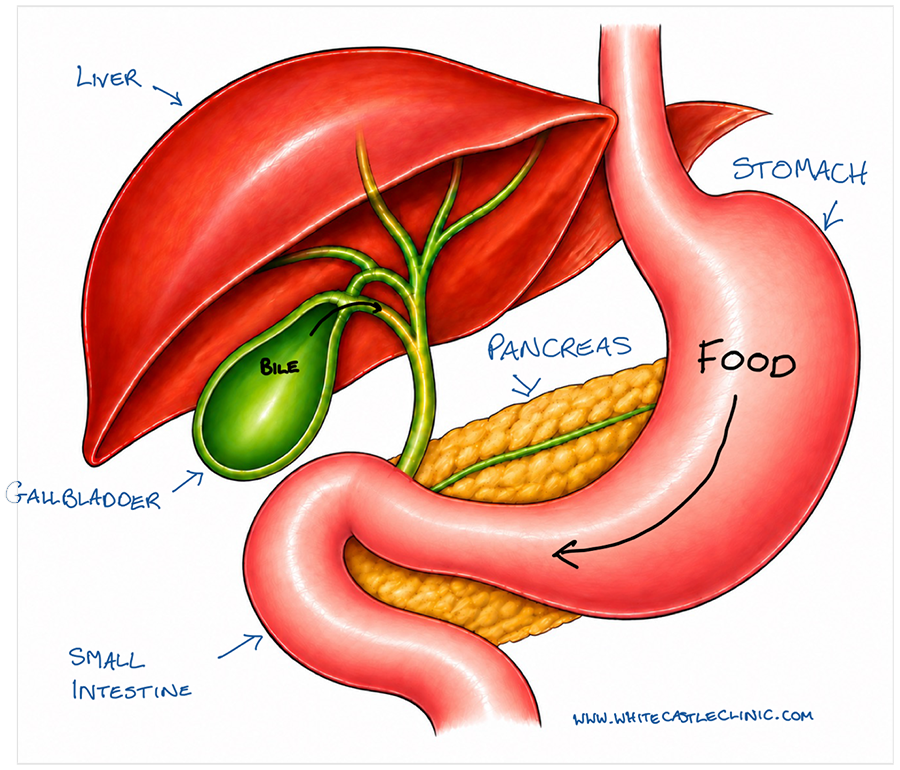
But first, what is the gallbladder and what does it do?
The gallbladder is a small pouch under the liver that stores bile, a green-yellow fluid that helps digest fats and absorb certain vitamins. Bile helps digest fat by breaking it into tiny droplets – a bit like shaking a drop of oil in water – and also helps the body absorb certain vitamins. When you eat, the gallbladder squeezes bile into the small intestine to help digest and absorb fats and vitamins.
What are gallstones?
Gallstones are hardened deposits that form when the components of bile become unbalanced. Affecting roughly 10-15% of adults in the UK, the risk of getting gallstones can increase with age and with diets high in fat, refined carbohydrates and sugars.
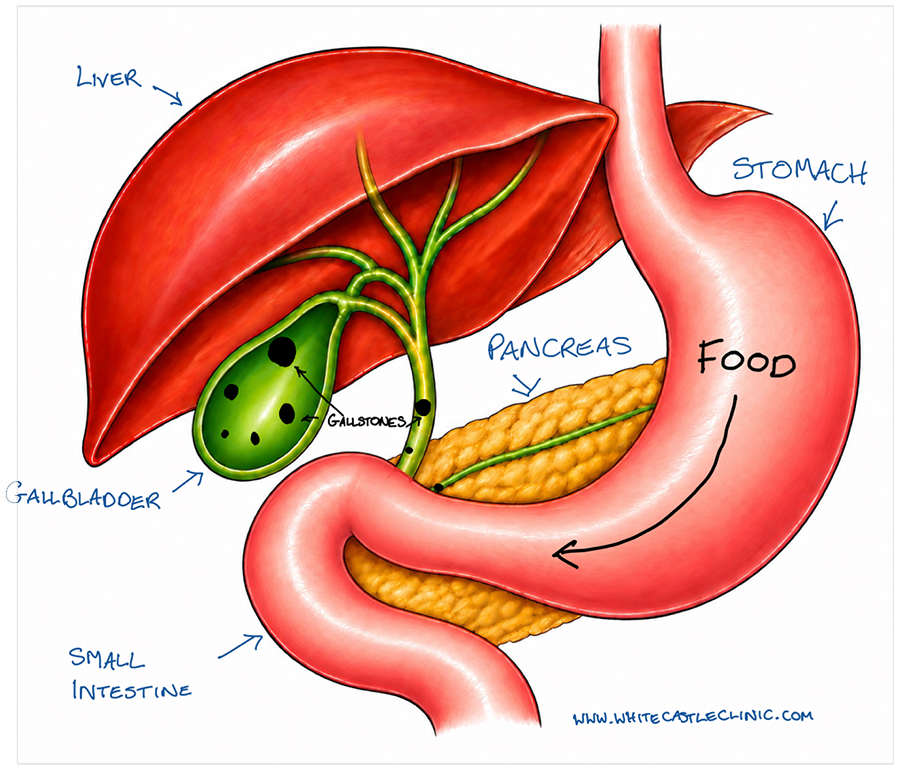
Gallstones can either remain silent or cause severe symptoms such as repeated attacks of abdominal pain which can be due to one of these:
- Biliary colic: Stones blocking the gallbladder duct (cystic duct), stopping the gallbladder from emptying
- Cholecystitis: Inflammation of the gallbladder.
If stones move into the common bile duct, they can cause:
- Jaundice: Symptoms include yellowing of the eyes, pale stools and dark urine
- Cholangitis: Infection and inflammation of the bile ducts
- Acute pancreatitis: When your pancreas is severely inflamed.
These complications can be serious and sometimes life‑threatening.
Gallstones in children
Children can develop gallstones due to:
- High‑fat diets
- Total parenteral nutrition (TPN): Essential nutrients being given through an intravenous (IV) catheter
- Blood conditions such as sickle cell anaemia, hereditary spherocytosis or elliptocytosis.
If your child experiences any symptoms, they’re likely to continue if surgery isn’t considered.
What are the different types of gallbladder removal surgery?
Laparoscopic cholecystectomy (keyhole surgery)
This is the most common approach and is associated with less pain, smaller scars and a faster recovery than open surgery.
Robotic-assisted cholecystectomy
Some centres use robotic technology to perform keyhole surgery with enhanced precision. Your surgeon controls robotic instruments from a console, allowing very fine movements. The benefits are similar to laparoscopic surgery, with small incisions and a quick recovery.
Open cholecystectomy
Open surgery is used when keyhole surgery isn’t safe or possible. Recovery can take longer, and you may need to stay in hospital for several days. It may be planned or performed if keyhole surgery needs to be converted during the operation.
Subtotal (partial) cholecystectomy
A subtotal cholecystectomy means removing most of the gallbladder but deliberately leaving a small part behind when it would be safer to do so. This is usually because inflammation or scarring makes it difficult to safely separate the gallbladder from the nearby bile ducts. Most people do just as well as after complete removal, although occasionally the remaining part of the gallbladder can cause further problems in the future.
Why choose Nuffield Health Wessex Hospital for my gallbladder removal surgery?
Choosing where to have gallbladder removal surgery is an important decision. Conveniently located between Winchester and Southampton, Nuffield Health Wessex Hospital offers patients across Hampshire access to specialist surgical care in a modern private hospital setting. Recent refurbishment has enhanced the hospital's facilities, creating a comfortable environment for patients undergoing surgery and recovery.
One of the benefits of choosing Wessex Hospital is the convenience of having consultations, diagnostic tests and treatment available in the same location, helping to make the process more straightforward. Patients can also take advantage of free on-site parking, private en-suite rooms, freshly prepared meals, flat-screen TVs and complimentary Wi-Fi, while experienced nursing teams provide dedicated support throughout their stay and recovery.
How to book a consultation at Nuffield Health Wessex Hospital?
If gallstones are causing pain or affecting your quality of life, you can book a consultation with an experienced consultant surgeon at Nuffield Health Wessex Hospital. Book online, contact our team directly on 02380 266 377, or complete the enquiry form below to discuss your symptoms, treatment options and whether gallbladder removal surgery is right for you.
How do I know if I need my gallbladder removed?
You may need surgery if you have:
- Repeated attacks of abdominal pain
- Gallbladder inflammation
- Jaundice
- Infection
- Stones in the bile ducts
- Pancreatitis caused by gallstones.
You may be asked to take a pregnancy test before surgery, as some medications and imaging used during the procedure can affect an unborn baby. Sometimes the test doesn't show an early-stage pregnancy, so let the healthcare team know if you could be pregnant. This also applies to older girls undergoing paediatric cholecystectomy.
If left untreated, gallstone disease can cause persistent pain, fever, jaundice and serious complications.
What are the alternatives to gallbladder removal surgery?
If gallstones aren't causing symptoms, treatment is usually not needed. Once gallstones are causing repeated symptoms or complications, removing the gallbladder is usually the most effective long-term treatment. Medicines and other techniques to dissolve or break up gallstones have been used in the past, but are rarely used because the stones often return.
Managing symptoms without surgery can also be an option, particularly for people with occasional or mild biliary colic. This may include avoiding fatty foods and using painkillers when required, although this does not remove the gallstones and further attacks can still occur.
If the stones are causing blockage:
Endoscopic procedures (ERCP): ERCP can be used to remove stones that have travelled from the gallbladder into the bile duct. During the procedure, a small cut called a sphincterotomy is usually made at the opening of the bile duct into the small intestine, allowing the stones to be removed. The gallbladder remains in place, so further stones can still pass into the bile duct in the future.
If the stones are causing persistent infection (cholecystitis):
If someone is too unwell or not fit enough for surgery, a cholecystostomy may sometimes be used, where a small tube is placed through the skin into the gallbladder to drain the infected bile and allow the inflammation to settle.
How can I prepare for gallbladder removal surgery?
Pre‑operative assessment
You’ll meet the healthcare team to review your medical history, medications and anaesthetic options.
Medication
Tell your team about all medications, including:
- Blood thinners
- Herbal remedies
- Supplements
- Over‑the‑counter medicines.
Lifestyle preparation
- Stop smoking or vaping several weeks before surgery
- Maintain a healthy weight
- Exercise regularly
- Follow any special diet recommended to shrink the liver
- Avoid shaving or waxing the surgical area for a week
- Shower the day before or on the day of surgery
- Keep blood sugar controlled if diabetic.
Diet
Start a fat-free diet which helps reduce inflammation, lowers the risk of gallbladder attacks, and prepares the body for surgery.
Avoid:
- Fried foods
- Cheese, cream, butter, and full-fat dairy
- Fatty meats (e.g. bacon, sausages, lamb)
- Pastries, chocolates, and processed snacks
Choose:
- Lean meat or fish
- Skimmed milk, fat-free yoghurt
- Steamed or boiled vegetables
- Whole grains, plain rice, and fruit (in moderation)
How can I prepare my child for gallbladder removal surgery?
Parents can help by ensuring their child:
- Maintains a healthy weight
- Has a bath or shower before surgery
- Stays warm
- Has all medications reviewed by the team.
What happens during gallbladder removal surgery?
A minimally invasive cholecystectomy is usually performed under general anaesthetic and takes about 1 hour. For children, the duration can vary between 90 minutes to 2 hours.
Laparoscopic (keyhole) cholecystectomy
Your surgeon will:
- Make small incisions (cuts) on the abdomen, usually around 5-12 mm
- Gently inflate the abdomen with carbon dioxide to create space for the operation
- Make several small cuts for instruments
- Insert a small camera (laparoscope) and special surgical instruments through the incisions
- Carefully identify and separate the gallbladder's duct (cystic duct) and blood supply (cystic artery)
- Secure the duct and artery with clips
- Separate the gallbladder from the liver
- Remove it through one of the incisions
- Close the incisions with stitches or staples.
Bile duct exploration
If stones are suspected in the bile duct, dye may be injected and an X‑ray or ultrasound performed. Stones may be removed using:
- A wire basket
- A balloon catheter
- A small cut in the duct
- Through the cystic duct by using a small camera called the cholangioscope.
Open cholecystectomy
If open surgery is planned, or if keyhole surgery needs to be converted during the operation, your surgeon will make a larger incision on your upper abdomen. This may be:
- A vertical cut in the midline, or
- More commonly, a cut just under the right ribcage.
During open surgery, your surgeon will:
- Free up the cystic duct and artery
- Separate the gallbladder from the liver
- Remove the gallbladder through the incision
- Close the wound with stitches or clips.
Open surgery usually takes about an hour, though it may be longer.
Subtotal cholecystectomy
In order to protect your bile duct, if inflammation is severe, most of the gallbladder may be removed instead of all of it.
After the procedure
You’ll wake in the recovery room, where your wounds, blood pressure, and pulse will be checked.
You may also have:
- A drain to remove fluid
- A drip to keep you hydrated
Following keyhole surgery, most patients go home the same day or stay one night. Children usually stay around 1–2 days.
How long does it take to recover from gallbladder removal?
In hospital
If you had keyhole surgery, you can usually go home the same day or after one night. If you had open surgery, you may need to stay 4–5 days in hospital.
Short‑term recovery
You may have:
- Wound pain
- Bloating
- Shoulder pain from trapped gas.
These usually ease within a few days. At home
It’s important that you:
- Rest initially, then stay active to prevent blood clots
- Drink plenty of water and stay hydrated
- Take your prescribed painkillers
- Avoid heavy lifting for 2-4 weeks (or longer if open surgery or strenuous labour)
- Follow any dietary advice
- Exercise regularly.
How about recovery for my child?
Your child may:
- Return to school after 2–3 weeks
- Need help avoiding strenuous activity
- Need monitoring for vomiting, fever or abdominal swelling.
Red‑flag symptoms Contact the healthcare team urgently if you notice:
- Worsening pain
- Fever
- Dizziness or shortness of breath
- Persistent nausea or loss of appetite
- Not passing wind or opening bowels
- Abdominal swelling
- Difficulty passing urine
- Jaundice
- Vomiting (especially yellow or green in children).
What are the benefits of gallbladder removal surgery?
- Relief from gallstone pain
- Prevention of future attacks
- Reduced risk of infection or pancreatitis
- Quick recovery with keyhole surgery
- Long‑term improvement in quality of life.
Despite this surgery sounding quite intense with the removal of an organ, your body is still able to function normally without a gallbladder.
What are the risks and possible complications of gallbladder removal?
As with any surgery, risks and complications can occur. Your surgeon will discuss them with you before your surgery.
General surgical risks include:
- Pain
- Bleeding
- Infection
- Scarring
- Blood clots (DVT).
Keyhole surgery risks include:
- Damage to bowel, liver or blood vessels
- Hernia at port sites
- Surgical emphysema (where air or gas gets trapped in the layer of tissue right under your skin)
- Gas embolism (a dangerous blockage in a blood vessel caused by one or more air or gas bubbles. This is very rare.)
Open cholecystectomy risks
Open surgery carries similar risks to keyhole surgery but may involve:
- A longer recovery time
- A larger scar
- A slightly higher risk of wound infection
- A higher chance of developing a hernia at the incision site.
Cholecystectomy‑specific risks include:
- Bile leakage
- Retained stones
- Diarrhoea
- Peritonitis
- Bile duct injury (rare but serious)
- Adhesions (scar tissue)
- Allergic reactions to equipment or dye
- Stones forming again in the common bile duct
- Narrowing of the bile duct
- Bowel injury
- Ileus: Temporary bowel paralysis causing bloating and vomiting
- Pancreatitis if a stone moves into the bile duct
- Liver vessel injury
- Unsightly scarring if wounds become infected
Bile‑duct exploration complications
If your surgeon needs to explore the bile duct during surgery, depending on the approach, additional risks include:
- Bile leakage
- If a tube was placed in the bile duct (so-called T tube)- less common during trans cystic approach
- Infection around the tube site
- Difficulty removing the tube, requiring it to stay in longer
- Retained stones, which may need removal through the tube or with a flexible telescope (ERCP).
The healthcare team will do their best to minimise any risks. Make sure you discuss any concerns you may have about these complications with your consultant (surgeon).
How much does gallbladder removal surgery cost at Nuffield Health Wessex Hospital?
Please note that the guide price stated is an approximate cost of treatment only. You will be given a fixed all-inclusive price for treatment following your initial consultation with a consultant.
FAQs
-
Can I have gallbladder removal as a day case procedure?
Yes, you can. Many patients go home the same day.
-
Is gallbladder removal a major or minor surgery?
It’s considered a routine procedure, but still requires general anaesthetic.
-
Should I change my diet before gallbladder removal?
Your surgeon may recommend a liver shrinking diet and patients awaiting gall bladder removal generally advised on a low fat diet.
-
What foods can I eat after gallbladder removal?
Start with light meals and gradually return to a normal diet. Your surgeon may recommend a suitable meal plan.
-
Can gallstones come back after surgery?
Very rarely (less then 0.5%) stones can form in the common bile duct after a cholecystectomy, however this usually effect people
-
Can you live a normal life without a gallbladder?
Yes, bile flows directly from the liver to the intestine.
-
Can I drink alcohol after gallbladder removal?
Yes, once fully recovered.
-
How can I prevent weight gain after gallbladder removal?
By eating balanced meals, limiting refined sugars and large fatty foods, staying active and building steady, sustainable habits as your digestive system adjusts.
-
Does gallbladder removal affect bowel movements?
Some patients experience looser stools. However this often settles by time and there are effective medications such as cholestyramine powder to deal with this should that be required.
-
Why do I have shoulder pain after gallbladder removal?
This is caused by trapped gas and usually settles within 24–48 hours.
-
Can I take omeprazole after gallbladder removal?
Yes, you can but it’s good to double check with your surgeon.
-
Can I take Ozempic and other weight loss drugs after gallbladder removal?
This depends on the indication of cholecystectomy. If you had pancreatitis than no you should not continue with GLP1 analogues. For Infection and pain usually is safe to continue however please discuss this with your treating Consultant.
Gallbladder removal (Cholecystectomy) consultants at Wessex Hospital

Winchester Road, Chandlers Ford, Eastleigh, SO53 2DW
Guide price
| Initial consultation | from £200 | |
|---|---|---|
| Diagnostics | If needed to determine treatment plan | |
| Treatment | £8,795 | |
| Pre-assessment | Included | |
| Main treatment | Included | |
| Post-discharge care | Included | |
| Pre-assessment, Main treatment and Post-discharge care | £8,795 | |
| Guide price | £8,995 | |
The guide price
stated above is an approximation of the cost of treatment only. The final price
may vary according to Consultant fees, prosthesis or drugs used and any
pre-existing medical conditions which may alter your care pathway.
You will be given a fixed all-inclusive price for treatment following
your initial consultation with a Consultant.
Ways to pay
Nuffield Health promise
Our prices are all-inclusive. We will equal any comparable price. There are no time limits on your aftercare.
Paying for yourself
There are no hidden costs in our treatment prices. The price you see is the price you pay.
Find out morePersonal medical loan
Spread the cost of your treatment with a 10, 12 or 24 month 0% personal medical loan.
Find out moreMedical insurance
We work with you and your insurance provider to get you the treatment you need quickly.
Find out more