
Incisional hernia repair
- Overview
Reviewed on Tuesday 8 September 2026 by Mr Ahmed Hamouda, Upper GI (Gastrointestinal) Consultant at Nuffield Health Tunbridge Wells Hospital.
A lump along an old surgical scar can feel worrying, especially if it’s getting bigger or uncomfortable. Our expert surgeons at Nuffield Health help strengthen the area and get you back to your daily routine with confidence through incisional hernia repair surgery.
What is incisional hernia repair surgery?
Incisional hernia repair surgery is an operation to fix a hernia that has developed through a weakness in the abdominal wall at the site of a previous surgical scar. The surgeon returns the bulging tissue to the abdomen and reinforces the weakened area with stitches or mesh, using either open or keyhole (laparoscopic) techniques.
What is an incisional hernia?
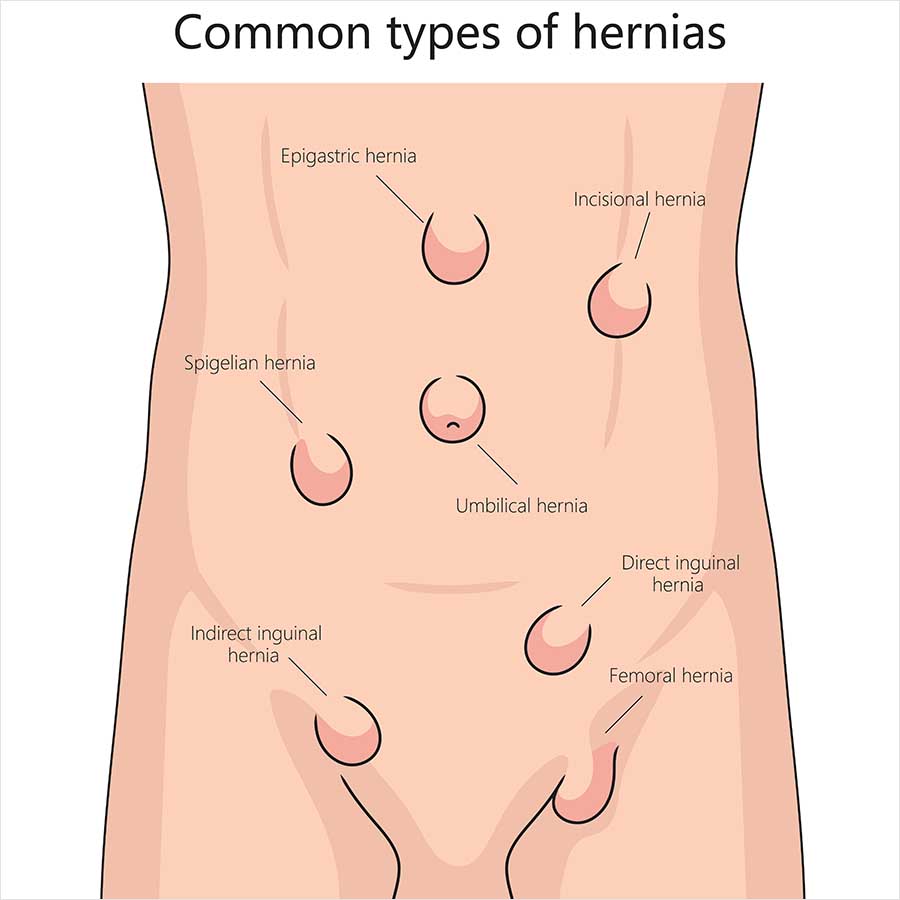
An incisional hernia develops when the abdominal wall doesn’t fully heal after surgery. Any abdominal operation requires a cut through the muscle layers. If the wound doesn’t heal strongly, a weakness can form, allowing tissue or bowel to push through and create a lump.
It typically appears as a soft bulge under or near a surgical scar. It may flatten when lying down and become more obvious when standing or straining.- Infection at the original wound
- Heavy lifting too soon after surgery
- Chronic coughing
- Obesity
- Smoking
- Diabetes
- Multiple abdominal surgeries.
If you feel pain around a scar or in the surrounding abdomen or feel a soft bulge that becomes uncomfortable with movement or pressure, then you may want to consider incisional hernia repair surgery, also known as herniorrhaphy (when stitches are used) or hernioplasty (when mesh is used). Our expert surgeons at Nuffield Health aim to remove the hernia and ease discomfort.
How fast does an incisional hernia grow?
The growth of an incisional hernia can vary. Some remain small for years while others enlarge gradually due to pressure from coughing, lifting, pregnancy or weight gain.
How is an incisional hernia diagnosed?
Diagnosis usually involves a physical examination. Your consultant may also recommend:- Ultrasound: This can be helpful for small or unclear hernias.
- CT scan: Often used for complex or unclear cases.
- MRI: Is used occasionally.
What are the signs that an incisional hernia has become strangulated?
Seek urgent medical help if you notice:- Severe or worsening pain
- A lump that becomes hard or cannot be pushed back in
- Redness or tenderness over the hernia
- Vomiting or nausea
- Fever.
These symptoms may indicate a strangulated hernia.
Why do incisional hernias develop after surgery?
The healing process can be affected by tension on the wound, infection, poor tissue strength or increased abdominal pressure.
Can a C-section cause an incisional hernia?
Yes. Any abdominal incision, including a C‑section, can lead to an incisional hernia if the area doesn’t heal strongly.
What happens if an incisional hernia is left untreated?
If left untreated, an incisional hernia may become enlarged, painful or trapped (incarcerated). If the blood supply to the herniated tissue is cut off (strangulation), urgent surgery is required. A hernia strangulation can be life‑threatening if not treated quickly.
What are the symptoms of an incisional hernia?
Symptoms may include:- A lump near a surgical scar
- Discomfort when lifting or coughing
- A dragging or heavy sensation
- Pain that worsens with activity
- Bloating or constipation (in larger hernias).
What surgical techniques are used to repair an incisional hernia?
Open incisional hernia repair
Your surgeon makes a larger cut over the hernia, returns the tissue to the abdomen and strengthens the area with stitches or mesh. This approach is often used for bigger or more complex hernias.
Laparoscopic (keyhole) incisional hernia repair
Several smaller cuts are made in the abdomen. The area is gently inflated with gas so your surgeon can see clearly, and mesh is placed over the weak spot from the inside. This approach often results in less pain and quicker recovery.
Component Separation Technique (CST)
CST is used for large or difficult hernias. The abdominal muscles are carefully separated and repositioned so the hernia can be closed without pulling or tension.
Recurrent incisional hernia repair
If a hernia comes back, it can still be repaired using open, keyhole or CST techniques. Your surgeon will choose the safest approach based on your previous surgery and the size of the recurrence.
Open hernia repair, keyhole vs CST hernia repair: which surgery is right for me?
Your consultant will consider:- The size of your hernia
- The location of your hernia
- Whether you’ve had any previous surgeries
- Your general health
- The risk of recurrence.
Keyhole surgery may offer faster recovery, but open or CST repair may be safer for large or complex hernias.
How do I know if I need incisional hernia repair?
Your surgeon will recommend surgery if the hernia is:- Painful
- Growing in size
- Affecting daily life
- At risk of becoming trapped.
Who is suitable for incisional hernia repair?
Most adults with an incisional hernia are suitable. Your consultant will assess your overall health and anaesthetic risk.
Who is not suitable for incisional hernia repair?
Surgery may be delayed if you have uncontrolled medical conditions or a high anaesthetic risk.
Can I have incisional hernia repair if I am overweight?
Yes, you can, but weight loss may be recommended first to reduce recurrence risk.
Can I have incisional hernia repair if I am pregnant?
If you’re planning pregnancy, your surgeon may advise delaying surgery unless the hernia is causing problems.
What are the alternatives to incisional hernia repair?
There are no long‑term alternatives. A hernia truss or support belt may offer temporary comfort but they do not repair the hernia.
What is watchful waiting for an incisional hernia?
This means monitoring the hernia without surgery. It’s sometimes appropriate for small, painless hernias but carries a risk of complications.
How can I prepare for incisional hernia repair?
Your surgeon may advise you to:- Stop smoking
- Maintain a healthy weight
- Avoid heavy lifting
- Shower the day before or on the day of surgery
- Avoid shaving the surgical area
- Keep blood sugar levels controlled if diabetic
- Tell your team about all medications.
These steps can help to reduce infection risk and support your recovery.
What happens at the pre-operative assessment?
You’ll meet your healthcare team to review your medical history, discuss anaesthetic options and plan your recovery. You may have blood tests and will receive instructions about fasting and medication.
What happens during incisional hernia repair?
The procedure is usually performed under general anaesthetic and can take several hours.
During laparoscopic repair- A small incision is made near the belly button
- The abdomen is inflated with carbon dioxide
- Additional small incisions allow instruments and a camera to be inserted
- The hernia is freed and mesh is placed over the defect
- The incisions are closed with stitches or glue.
A drain may be placed to remove fluid.
During open repair
Your surgeon makes a cut through the old scar, repairs the weak tissue with stitches or mesh and closes the skin. Drains may be left in place for several days or weeks depending on the size of the hernia.
How long does it take to recover from incisional hernia repair?
Short‑term recovery
You may go home the same day or stay one night. Pain relief will be provided – it’s important to take it so you can move comfortably.
Shoulder pain is common after keyhole surgery due to gas under the diaphragm; this settles within 24 hours.
At homeFor the first 24 hours:
- It’s best to have someone stay with you
- Do not drive, operate machinery, drink alcohol and sign legal documents
- Gentle walking regularly from day one
- Avoid strenuous exercise for at least 3 weeks
- Avoid heavy lifting (anything heavier than a kettle) for at least 6 weeks to allow the muscle wall and mesh to heal strongly
- Full return to fitness, e.g., jogging, weight-lifting at 8-12 weeks
- Avoid baths, pools and hot tubs for 2 weeks
- Shower after 48 hours.
Driving and work
You can drive once you can safely control your vehicle. Most patients return to work after 2–4 weeks – depending on the nature of your job, this may vary. It’s best to discuss a suitable timeframe with your surgeon.
What are the risks and complications of incisional hernia repair?
Every surgical procedure can carry risks. Be sure to discuss any concerns you might have about these risks with your surgeon.
General risks can include:- Pain
- Bleeding
- Infection
- Blood clots
- Scarring.
- Injury to internal organs
- Bowel injury
- Fluid or blood collections (seroma or haematoma) which can feel like a temporary lump at the surgical site
- Testicular discomfort (in men)
- Difficulty passing urine
- Mesh‑related complications
- Hernia recurrence.
- Bruising
- Swelling
- Shoulder pain after keyhole surgery
- Temporary bloating.
Contact your healthcare team urgently if you notice:
- Worsening pain
- Fever
- Dizziness or shortness of breath
- Nausea that worsens after 1–2 days
- No bowel movements or wind
- Abdominal swelling
- Difficulty passing urine.
How much does incisional hernia repair surgery cost at Nuffield Health?
For pricing information, please get in touch with your local hospital. The hospital or your healthcare team will provide a fixed, all-inclusive price for the treatment after your initial consultation.FAQs
-
What questions should I ask my surgeon before incisional hernia repair?
You may want to ask about the type of repair recommended, whether mesh will be used, recovery time and recurrence risk.
-
Can an incisional hernia go away on its own?
No, incisional hernias do not heal without surgery.
-
Do I need a GP referral to have hernia repair at Nuffield Health?
A GP referral is usually recommended, but some hospitals accept self‑referrals.
-
Are incisional hernias more common in women than other types of hernia?
They can occur in both men and women, but pregnancy and C‑sections can increase your risk.
-
Will I have a scar after incisional hernia repair?
Yes, but scars usually fade over time.
-
How can I tell if my incisional hernia repair has failed?
A new lump, persistent pain or a bulge near the scar may indicate recurrence. Your consultant can assess this.
-
Is it normal to still have a lump after incisional hernia repair?
A small, firm area under the scar can be normal during healing. A growing lump should be assessed.
-
How likely is an incisional hernia to recur after surgery?
Recurrence can vary depending on hernia size, tissue strength and lifestyle factors.
Ways to pay
Nuffield Health promise
Our prices are all-inclusive. We will equal any comparable price. There are no time limits on your aftercare.
Paying for yourself
There are no hidden costs in our treatment prices. The price you see is the price you pay.
Find out morePersonal medical loan
Spread the cost of your treatment with a 10, 12 or 24 month 0% personal medical loan.
Find out moreMedical insurance
We work with you and your insurance provider to get you the treatment you need quickly.
Find out more