
Managing pain with exercise
Physiotherapist Adam Bellis explains how exercise can help manage pain and set you on the path to recovery. Discover our expert tips and the best exercises for pain management.
Updated 10 September 2026

64 Articles
Physiotherapist Adam Bellis explains how exercise can help manage pain and set you on the path to recovery. Discover our expert tips and the best exercises for pain management.
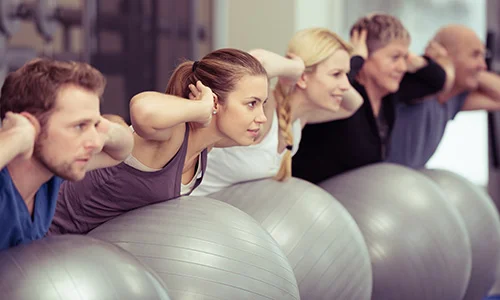
Pilates has become a major wellbeing trend, but its benefits aren’t just for fitness buffs. Here’s how Clinical Pilates can work for almost anyone.
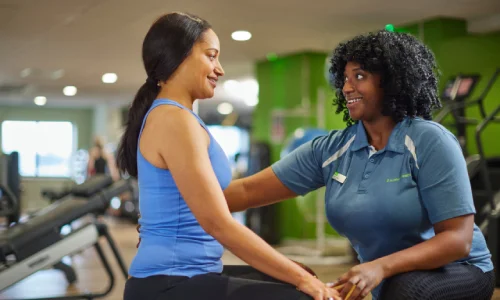
Discover the benefits and advantages of physiotherapy treatment from your initial assessment to exercises to help you recover.
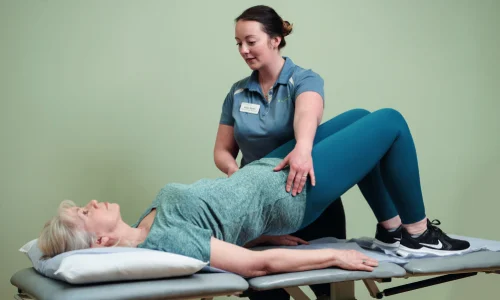
Many of us have heard of, or had, physiotherapy, but not many of us know what it actually is, what it does, or how many different types of physiotherapy there are (spoiler: there are a lot!). This World Physio Day, three Nuffield Health physiotherapists, Jodie Breach, Laura Stocks and Sharon Helsby, answer the 5 most common questions about physiotherapy:

Everyone has different pain tolerance levels, but if you're experiencing mild musculoskeletal pain, try practicing these natural techniques to improve how your body copes, without using painkillers.

Chronic pain can make it feel like life may never be “good” or “normal” again. Whether it’s joint pain, arthritis or the long-term discomfort associated with a diagnosed health condition, chronic pain is ever present for millions of people.
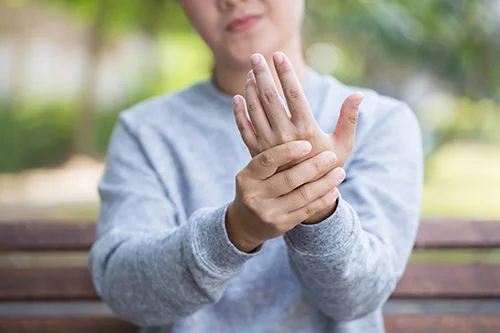
Understand the symptoms and treatments associated with the most common hand conditions including carpal tunnel syndrome. Visit Nuffield Health for more information.
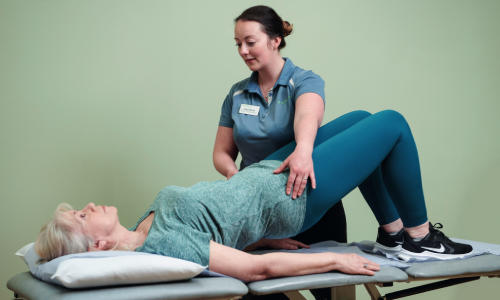
Lower back or lumbar pain is a common issue that will affect most people at some point in their lives. The lumbar region is located between the lowest rib and the top of the pelvis and is prone to pain that can be amplified by factors like a sedentary lifestyle, poor posture, and stress.
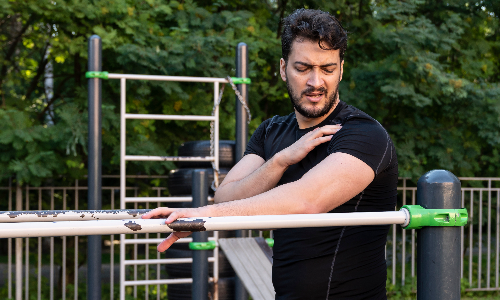
Joint pain is one of the most common reasons for avoiding active movement and exercise. Stiff joints, a poor range of motion, and mobility issues all make accessing and enjoying traditional sports and exercise plans difficult. Below, Senior Rehabilitation Specialist Jon Taberner explains how best to safely exercise if you suffer with neck, shoulder, back, or knee pain.
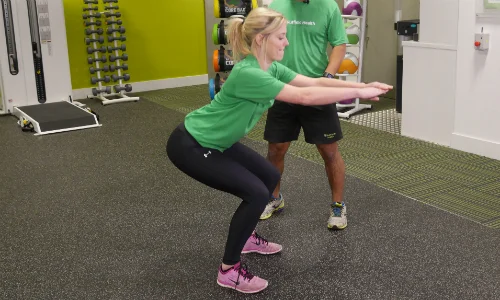
The back is one of the largest sections of muscle and bone in the human body. Because of its size, the back is more prone to injury and damage than other areas, which makes strengthening the muscles in the area vital.