
Self-care for menopause
From strengthening you pelvic floor, to avoiding caffeine and spicy foods, there are many things you can do to ease menopause symptoms.
Exercise
Pairing this with cardio helps to support muscle, bone, heart, and overall health.
Find out more about the importance of exercise during menopause and check out our workouts for perimenopause and post-menopause.
Nutrition
You should aim to have nutrient-rich diet:
- eat foods that support your bone health, such as calcium and vitamin D
- eat foods that supports your heart health, such as fruits, vegetables, whole grains, lean meats and good fats
- eat more phytoestrogen-containing foods – those that are structurally and functionally similar to oestrogen
- reduce common symptom triggers such as caffeine, alcohol, spicy foods, and excess sugar.

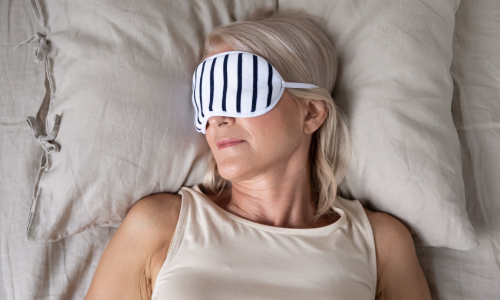
Sleep
Sleep problems are common during menopause, with hot flushes, insomnia, sleep apnoea, restless legs, anxiety and depression being key contributors. It's important to focus on these three areas to support restful sleep:
- Good sleep hygiene such as limiting screen time and creating a relaxing evening routine
- Regular exercies to reduce menopausal symptoms, including sleep problems, hot flushes and joint discomfort
- Diet changes, such as reducing caffeine and alcohol, avoiding large meals before bed, and eating magnesium- and tryptophan-rich foods may improve sleep quality.
Pelvic health
The pelvic symptoms of menopause are less well known – these include urinary incontinence, vaginal dryness/irritation, frequent urinary/vaginal infections, pain and prolapse. There are a few things that can ease these symptoms:
- hormone replacement therapy
- regular pelvic floor exercises
- vaginal lubricants
- good vulvar skin care.
Sexual health
Menopause can affect your libido – with physical symptoms impacting your sex drive, and mental symptoms changing how you feel about yourself and sex. Here are some things that can help:
- hormone replacement therapy
- vaginal lubricants
- speaking to your partner
- talking therapies.